
Nutrition plays a special role during pregnancy. It not only nourishes your own body, but also influences the development of your child. One aspect that is often underestimated is blood sugar levels. The Glyx diet offers practical guidance for reducing blood sugar fluctuations and supporting energy balance during pregnancy.
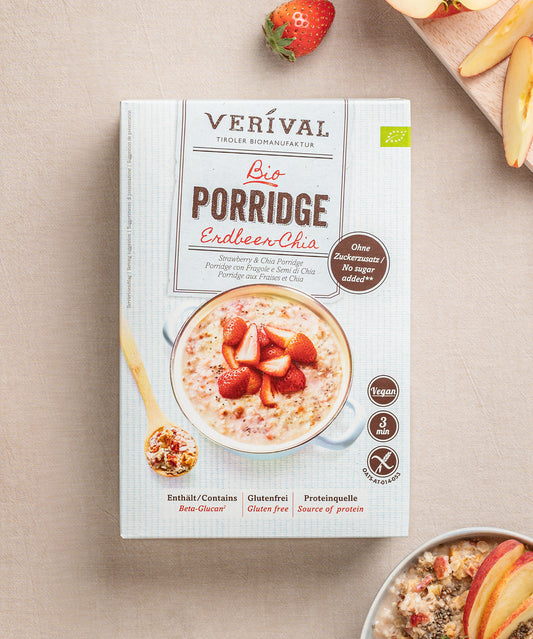
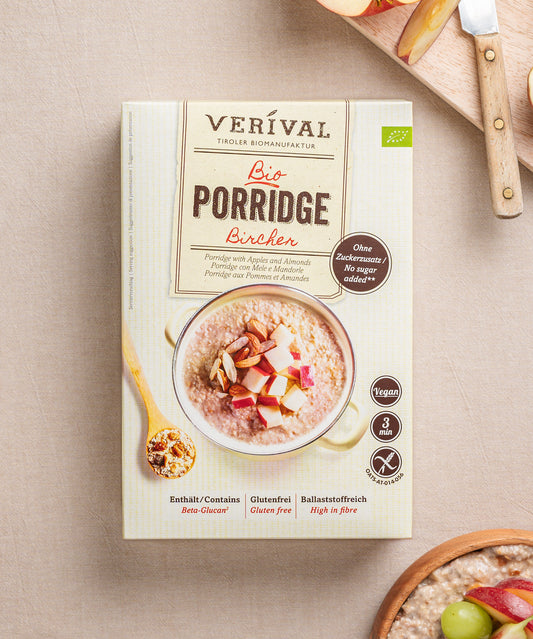
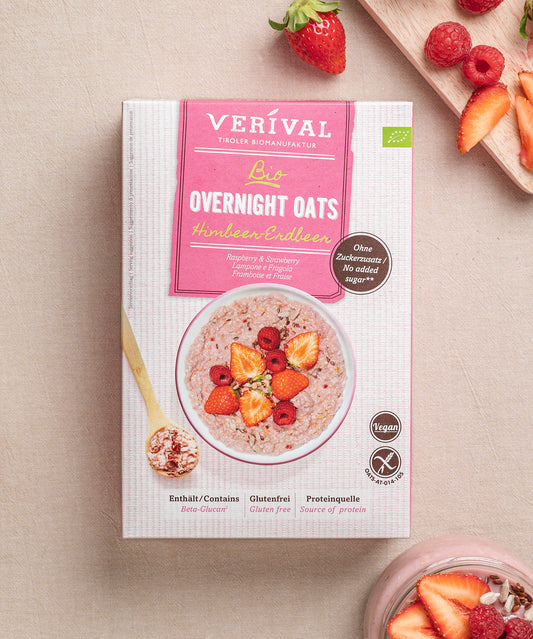
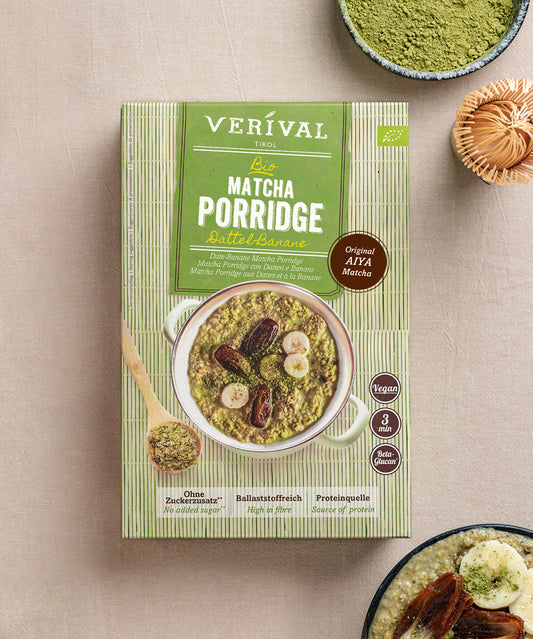
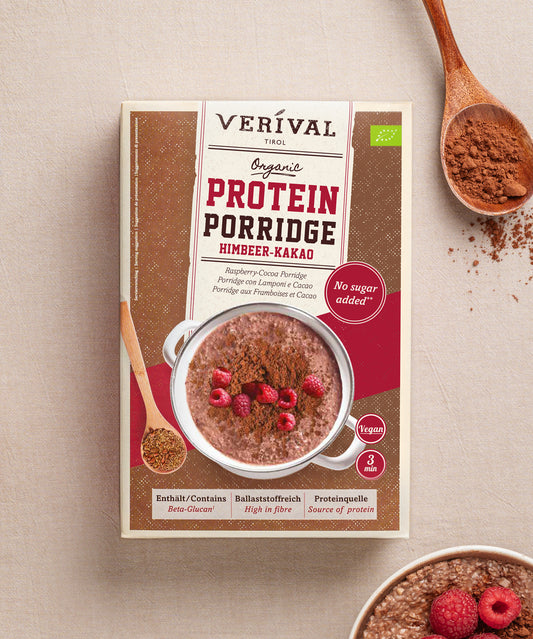
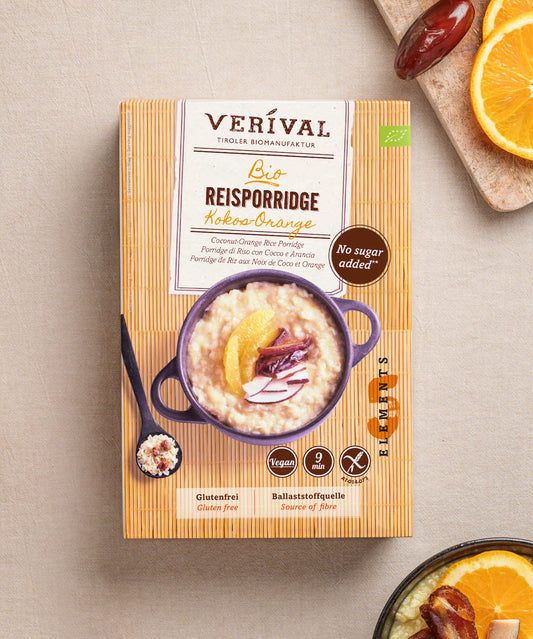
Healthy Verival breakfast – try it now
Why blood sugar control is important during pregnancy
A stable blood sugar level is not only relevant for women with diabetes. Even in metabolically healthy pregnant women, natural hormonal changes occur during pregnancy that affect glucose metabolism. Insulin becomes increasingly less effective so that the unborn child has sufficient glucose available.
However, if the mother's blood sugar rises sharply on a frequent basis, more sugar passes through the placenta to the child. The mother's insulin cannot pass through the placenta, so the child must produce insulin itself. This insulin acts like a growth hormone in the unborn child. The result can be a very high birth weight, which increases the risk of birth injuries or a cesarean section.
After birth, the newborn may also experience hypoglycemia because the sugar supply suddenly stops, but the child's insulin levels are still elevated. Long-term studies also show that even slightly elevated maternal blood sugar levels are associated with a higher risk of obesity and type 2 diabetes later in the child's life.
Maintaining blood sugar levels as stable as possible is therefore an important factor in the health of both mother and child.
Basics of the Glyx diet during pregnancy
Glycemic index and blood sugar
The glycemic index describes how quickly carbohydrate-containing foods raise blood sugar levels. Foods with a high GI lead to rapid blood sugar spikes, while foods with a low GI are metabolized more slowly and cause blood sugar to rise more evenly.
During pregnancy in particular, sharp fluctuations in blood sugar can lead to fatigue, cravings, and low energy levels. A diet with a predominantly low glycemic index can help to cushion these fluctuations.
Prefer foods with a low GI
The Glyx diet focuses on natural foods that are as unprocessed as possible. These include whole grain products, oatmeal, legumes, vegetables, nuts, and seeds.
Fruit is also included, but the type is crucial: berries such as raspberries or blueberries, apples, and pears usually cause only a moderate rise in blood sugar, while very ripe bananas, grapes, or dried fruit should be consumed in moderation.
These foods not only provide carbohydrates, but also fiber, vitamins, and minerals, which are particularly important during pregnancy.
Combination of carbohydrates, protein, and fat
A central principle of the Glyx diet is the composition of meals. When carbohydrates are combined with protein and healthy fats, digestion slows down and blood sugar remains more stable.
These mixed meals ensure a steady supply of energy and a longer-lasting feeling of satiety. This principle is particularly helpful at breakfast and between meals.
Advantages of the Glyx diet for pregnant women

Stable blood sugar & fewer cravings
Choosing foods with a low GI and eating balanced meals leads to less severe blood sugar fluctuations. This can reduce cravings and help you feel more balanced overall.
Reduced risk of gestational diabetes
Studies show that a low glycemic index diet is associated with more favorable blood sugar levels. This can reduce the risk of gestational diabetes.
However, anyone who has already been diagnosed with gestational diabetes should follow a diet that strictly adheres to the guidelines set out by diabetologists. The Glyx principle provides an excellent basis for this.
Supporting healthy weight gain
Pregnancy is not about weight loss, but about gaining weight in line with your needs. The Glyx diet focuses on the quality of food and can help prevent excessive weight gain without counting calories.
Energy for mother and child
Stable blood sugar levels support a steady supply of energy. Many pregnant women report less fatigue and more consistent energy levels in their everyday lives.
Practical implementation in everyday life
Glyx-compliant breakfast
A balanced breakfast helps you start the day with stable blood sugar levels. Natural oatmeal is particularly suitable for this, ideally whole grain flakes or porridge without added sugar. Combined with yogurt, nuts, seeds, or some fruit, this makes for a nutritious breakfast that keeps you feeling full for a long time and provides a steady supply of energy.
Highly processed crunchy mueslis are less suitable. These often contain hidden sugar, which can negate the positive effect on blood sugar.
Snacks and between-meal snacks
Regular small meals can help to avoid sharp fluctuations in blood sugar. Suitable options include nuts, natural yogurt with berries, or whole grain crispbread with a protein-rich spread. The combination of nutrients is also crucial here.
Meal planning for on the go
Everyday life is often unpredictable, especially during pregnancy. Well-prepared snacks or simple meals for on the go can help you avoid highly processed foods and keep your blood sugar stable.
Tips and precautions
Every pregnancy is unique. If you have been diagnosed with gestational diabetes or have other health issues, you should always consult your doctor or midwife before making any changes to your diet.
The Glyx diet is not a diet aimed at weight loss, but rather a guide to balanced nutrition. Enjoyment, adequate nutrient intake, and listening to your body are always the priority.
Organic breakfast from Verival – Discover now
Frequently asked questions
What lowers sugar levels during pregnancy?
Stable blood sugar levels can be supported primarily by a balanced diet with a low glycemic index. This includes fiber-rich foods, regular meals, and combining carbohydrates with protein and fat. Exercise in everyday life can also help reduce blood sugar spikes.
What should I avoid eating if I have gestational diabetes?
If you have gestational diabetes, you should avoid foods that are high in sugar and highly processed, as well as white flour products, as they cause blood sugar levels to rise rapidly. However, individual food choices should always be made in accordance with the recommendations of your diabetes specialist, as tolerance can vary.