
Every year, Lent offers you the perfect opportunity to reflect on your habits—especially your sugar consumption. Far more people than you think eat significantly more sugar every day than they realize. A sugar detox helps you reset your sense of taste, stabilize your energy levels, and finally give your gut a chance to recover. At the same time, giving up sweets brings new clarity about what is really good for you. So that you don't have to start Lent without a plan, you now have a comprehensive guide that accompanies you step by step and shows you how to master sugar withdrawal without stress.
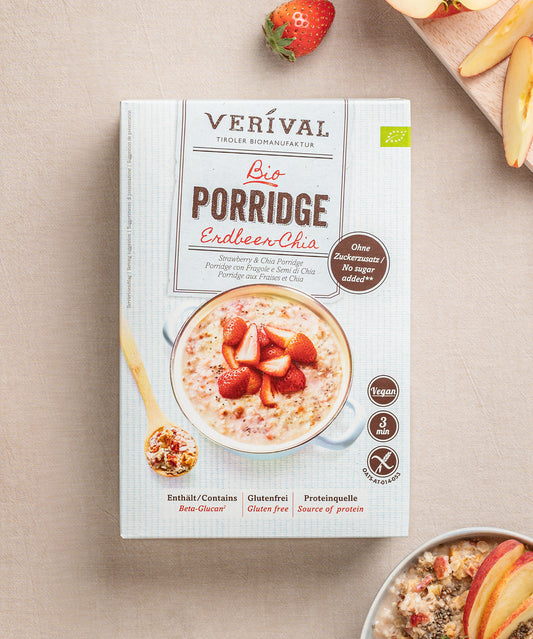
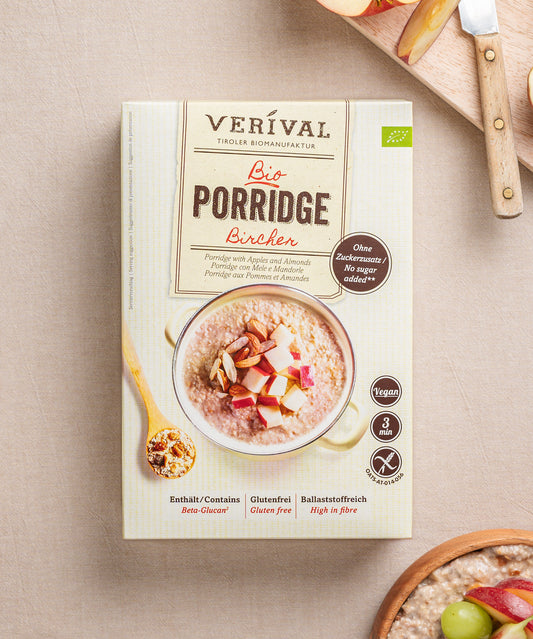
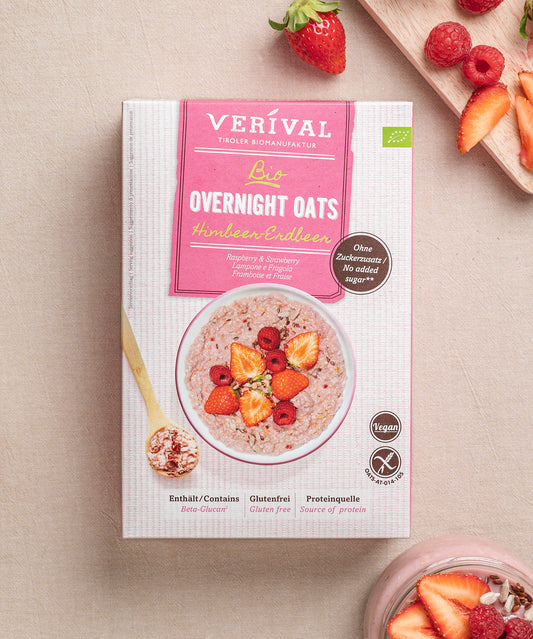
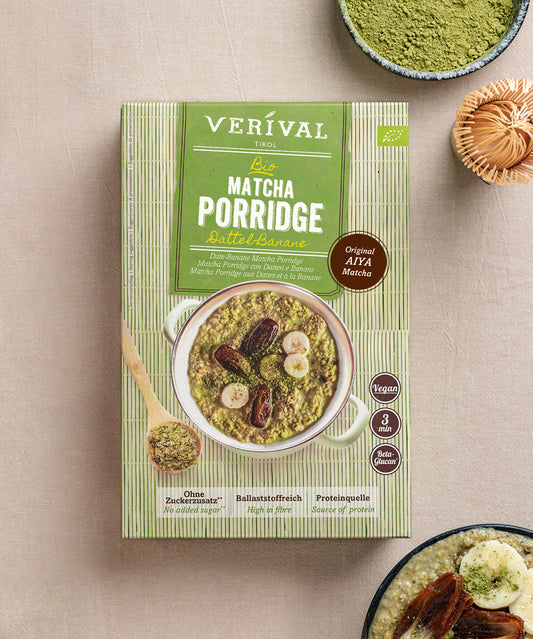
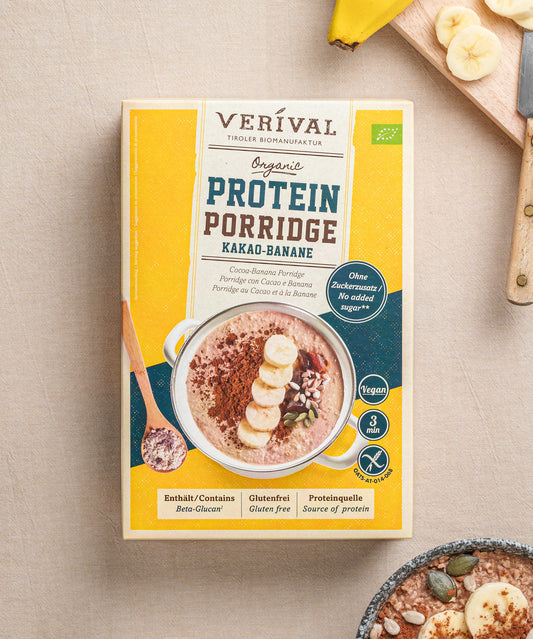
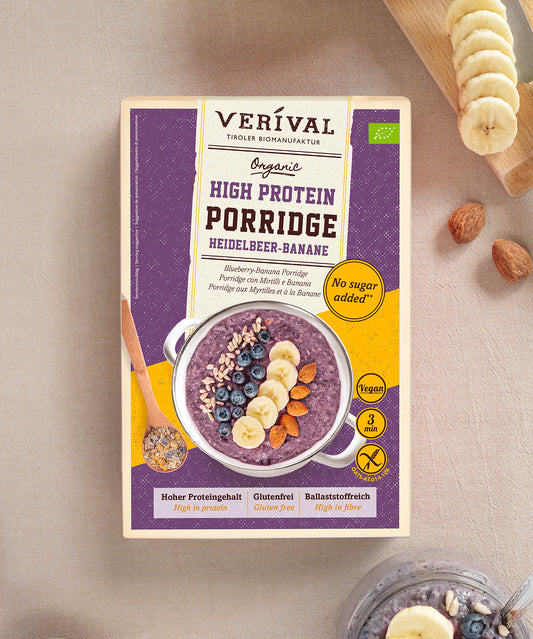
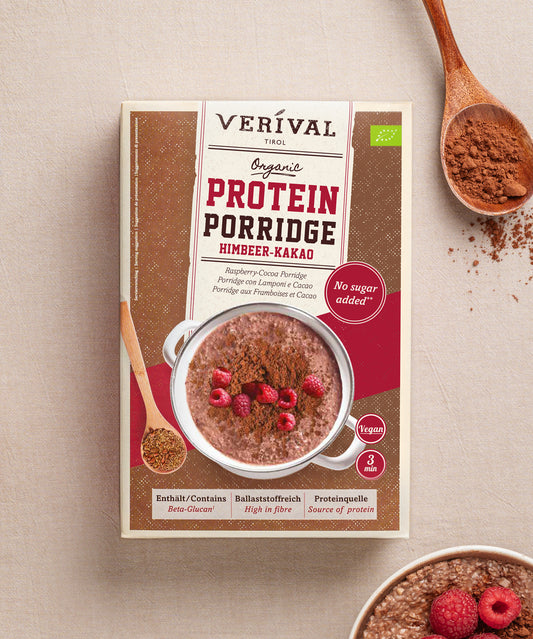
Verival muesli with no added sugar – try it now
Why a sugar detox makes sense
At first glance, sugar seems harmless. It is found in cakes, sauces, snacks, and drinks – and for many people, it is an integral part of everyday life. But it is precisely this “everyday” aspect that makes it so problematic. Your body is very sensitive to large amounts of sugar. Every time you eat something sweet, your blood sugar rises rapidly. Your pancreas then produces insulin so that your body can use the energy. If you repeat this process several times a day, your system becomes unbalanced. Fatigue, cravings, concentration problems, and mood swings quickly become part of everyday life.
What a sugar detox can do for your body
As soon as you cut out sugar, your blood sugar stabilizes. Your energy levels feel more consistent, and small dips in performance often disappear completely. A sugar detox also helps your gut. Less sugar means less food for problematic gut bacteria that promote bloating and inflammation. At the same time, you reduce inflammatory processes throughout your body—something that many people underestimate.
Your skin also benefits. Many people report clearer skin, fewer blemishes, and a fresher complexion during fasting. And one more thing: your sense of taste changes. After a few days, you need much less sweetness to find food pleasant. This makes healthy eating easier in the long term.
A sugar detox is therefore not a short-term trend. It is a real opportunity to relieve your body, break old patterns, and gain new energy.
The biggest sugar traps in everyday life
When you think of sugar, sweets, cakes, or cola probably come to mind immediately. But most of the sugar often ends up on your plate without you even noticing. Many products that appear healthy contain more sugar than you might think. Yogurt with fruit, granola bars, smoothies, salad dressings, and ready-made sauces are among the classic traps. What's particularly tricky is that they don't even taste overly sweet. Manufacturers use sugar to enhance flavors, improve textures, or extend the shelf life of products. As a result, you quickly consume much more sugar than you realize.
Prebiotic breakfast – our Verival promise for your gut!
Beverages – the underestimated sugar bomb
Another area that brings a lot of sugar into your everyday life is beverages. Soft drinks are at the top of the list, of course, but fruit juices, iced teas, and barista milk varieties also contain enormous amounts. A glass of juice often provides just as much sugar as a glass of cola – it just seems healthier because it sounds “natural.” But your body doesn't distinguish between sugar from a date, an apple, or industrial syrup. Sugar is sugar.
Coffee drinks from cafes are particularly insidious. Depending on the size, an oat latte with vanilla syrup or chocolate contains more sugar than a chocolate bar. And because you drink it, you are less aware of the sweetness than when you eat it.
Snacks and between-meal treats
A lot of sugar also accumulates between meals. Protein bars, coffee cookies, sweet pastries from the bakery, or a small cappuccino with cocoa powder quickly add up. Many people only realize how accustomed they have become to small sources of sugar in their everyday lives when they do a sugar detox.
Taking a conscious look at labels and routines will help you enormously in recognizing these traps and reducing them step by step.
Preparation: How to get off to a successful start in Lent
Before you start Lent, be aware of where your sugar has been coming from. For two to three days, write down what you eat and drink—without judging yourself. Only then will you clearly see which habits provide you with the most sugar. Maybe it's the daily latte macchiato with syrup, the sweet breakfast, the afternoon snack, or the ready-made sauce for dinner. This inventory is like a compass that shows you where to start.
Remove or replace sugar at home
The next step is to clean up your kitchen. Anything that tempts you should be removed from sight for the duration of the fast – whether it's chocolate, cookies, ice cream, granola bars, or sugary cereals. You don't have to throw everything away, but store it out of reach. At the same time, stock up on healthy alternatives: fresh berries, nuts, plain yogurt, vegetable sticks, or unsweetened tea. If you have something tangible to hand when you get a craving, you're more likely to stay on track.
Set realistic goals
Be clear about what you want to achieve. Do you want to give up sugar completely? Just cut out added sugar? Or replace certain habits? Clear goals will help you stay motivated – especially in the first few days when your body and mind are adjusting.
Tips for everyday life without sugar
If you want to give up sugar in your everyday life, you need to be well prepared. It's best to plan your meals two to three days in advance so that you don't find yourself in situations where you're tempted to reach for sweet snacks. Pack small emergency snacks – nuts, unsweetened yogurt, hard-boiled eggs, or a piece of fruit. Once you are prepared, you will make conscious decisions instead of impulsive sugar traps.
Don't forget to drink – but drink right
Many people underestimate how much sugar is hidden in beverages. Soft drinks, fruit juices, iced coffee, or flavored drinks sabotage your detox faster than you think. So stick to water, herbal tea, or unsweetened black and green tea. If that's too boring for you, spice up your water with lemon, ginger, or fresh herbs such as mint. This will keep you hydrated without adding sugar.
Eat consciously – and enjoy slowly
Take your time when eating. If you eat slowly, you'll feel full faster and you'll need less sweets as a “refill.” Also, make sure to eat real food—things that are as unprocessed as possible. The more natural your meals look, the less likely they are to contain hidden sugar.
Healthy alternatives to sweets & co.
If you crave something sweet during your sugar detox, you can still enjoy it—just in a different way. Reach for fresh fruit such as berries, apples, or pears, as they provide natural sweetness along with fiber, which has much less impact on your blood sugar. Dried fruit can also work, but you should use it sparingly because it is much more concentrated.
Snacks that really fill you up
Often, the desire for sweets is actually caused by hunger or stress. That's why snacks that keep you feeling full for longer are helpful. A handful of nuts, a few spoonfuls of plain yogurt, a piece of dark chocolate with a cocoa content of 85% or more, or a rice cake with nut butter can satisfy your cravings without sabotaging your sugar detox. Nut butter in particular – whether almond, cashew, or peanut – provides you with healthy fats and calms the nervous system.
Homemade alternatives for maximum control
If you want to be on the safe side, prepare small snacks yourself. Sugar-free energy balls, chia pudding, or homemade granola bars with oatmeal, nuts, and a little cinnamon are quick to make. This way, you know exactly what's in them and avoid the hidden sugars that industrially manufactured products often contain. This way, you stay flexible—and your detox stays on track.
Typical withdrawal symptoms and how to deal with them
The first few days without sugar can feel surprisingly intense. Your body is used to getting quick energy regularly—when it suddenly stops, it reacts. Typical withdrawal symptoms include headaches, fatigue, irritability, or a strong craving for sweets. This is because your blood sugar levels need to stabilize and your brain misses the usual dopamine kick. This phase is unpleasant, but it also shows you how much sugar has been affecting your everyday life.
How to safely counteract symptoms
To prevent these withdrawal symptoms from overwhelming you, you should eat regularly and take good care of your body. Include complex carbohydrates such as oatmeal, vegetables, and legumes, as they keep your blood sugar stable. Drink plenty of water and supplement your diet with magnesium-rich foods such as nuts, cocoa (unsweetened), or bananas, as magnesium can help with headaches and inner restlessness. Also, plan short breaks, especially if you tend to stress eat.
When the craving for sweets becomes particularly strong, a short walk, a glass of water, or a protein-rich snack can help. After a few days, you will usually feel the pressure easing—your head will become clearer and your energy levels will stabilize. You will grow through this phase, and afterwards your body will feel much lighter.
Long-term benefits of a sugar-free lifestyle
When you give up sugar for a longer period of time, not only do your eating habits change, but your overall health does too. After a few weeks, your blood sugar levels will stabilize significantly, giving you more consistent energy. You will experience fewer cravings, your mind will feel clearer, and your body will no longer feel so “stressed.” Many people also notice that their skin improves as inflammation in the body decreases. The gut also benefits enormously, because less sugar means less food for pro-inflammatory bacteria.
Less sugar – more real quality of life
In addition to the physical benefits, your relationship with food will also change. You will learn to feel true satiety instead of being guided by quick sugar kicks. Your taste buds will regenerate and suddenly fruit, nuts, or plain yogurt will taste much more intense. At the same time, you will reduce your long-term risk of diseases such as insulin resistance, type 2 diabetes, or fatty liver.
You will also feel freer emotionally because you are no longer controlled by constant sugar cravings. You will make more conscious decisions and realize that a low-sugar lifestyle does not mean sacrifice, but stability and well-being. A sugar-free lifestyle gives you balance – and you will feel this in every area of your life.
Discover and celebrate the entire Verival breakfast range here!
Conclusion: Lent as an opportunity for new habits
Lent offers you a wonderful opportunity to make your everyday life more conscious and break away from old patterns. A sugar detox may feel challenging at first, but that is precisely where its strength lies. You learn to be more aware of your body again, instead of letting yourself be controlled by quick energy kicks and spontaneous cravings. After just a short time, you will feel how stable and balanced your energy levels are when you are not constantly on a blood sugar roller coaster.
With each sugar-free day, you build new, healthier routines. You discover alternatives that truly nourish you and gain an understanding of what is good for your body. At the same time, you strengthen your self-confidence because you experience step by step that change is possible and even feels really good.
Fasting thus becomes a starting point for long-term balance—not a short phase of deprivation. After the detox, you may even decide to eat less sugar permanently or eliminate certain products altogether. The important thing is that you consciously choose this path and allow yourself to develop new, healthier habits. Your body will thank you for it—every single day.