
Sugar is everywhere – in muesli, snacks, drinks and even in foods where you wouldn't expect it. If you have a child, you quickly realise how much sweet things influence their everyday life. At the same time, you want to do something good for your child without constantly being strict or banning sweets altogether. That's exactly why it's worth approaching sugar consumption in a playful and relaxed way.
You won't find any finger-wagging here, just practical strategies that work in real life. You'll learn how sugar works, why children often want more of it than is good for them, and how to establish healthier habits step by step – without drama, stress or bans.
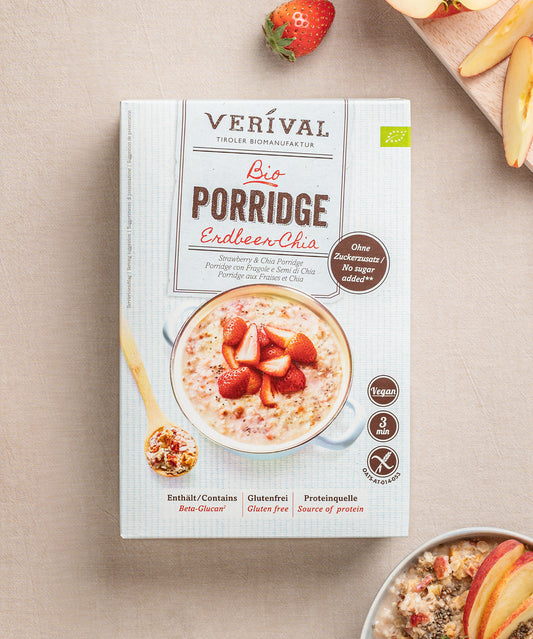
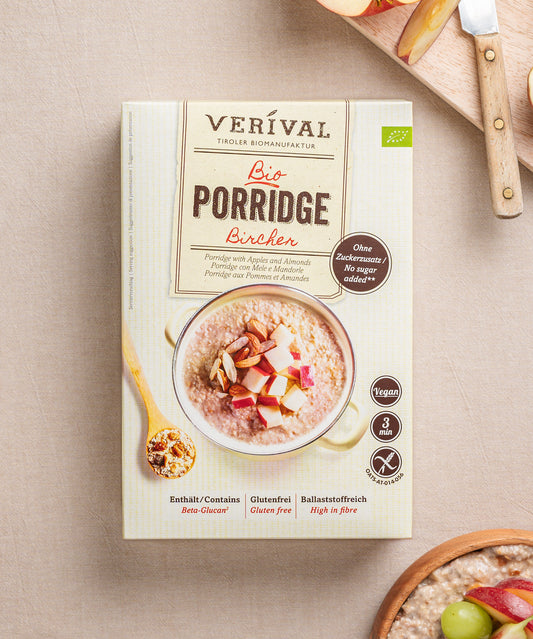
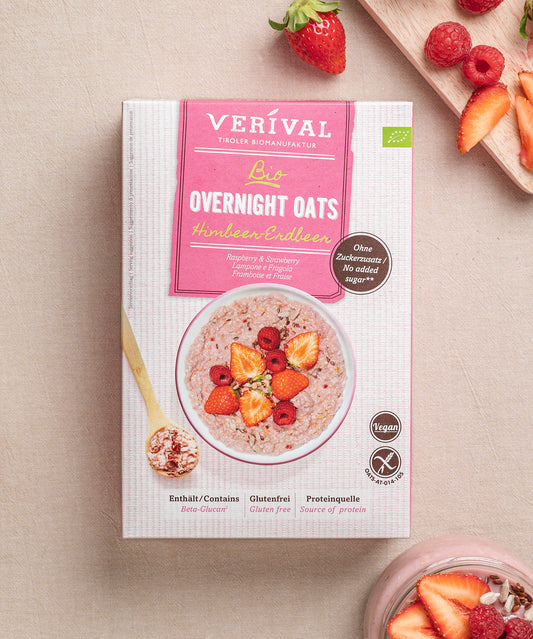
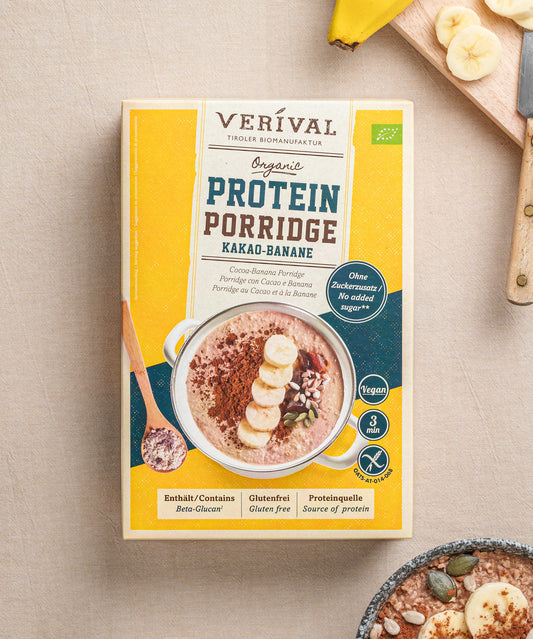
Verival muesli with no added sugar – try it now
What exactly is sugar?
When you talk about sugar, you probably think of table sugar first. But the term encompasses much more than that. Chemically speaking, sugar is a carbohydrate and consists of various building blocks such as glucose, fructose and lactose. Some types of sugar occur naturally in fruit, vegetables and milk. Others are produced industrially and end up in sweets, biscuits, fruit yoghurts and ready meals. For children, the type of sugar they eat is very important because their bodies often react more intensely to fast sugar than those of adults.
Free sugar vs. natural sugar
Free sugar is found in anything that has been sweetened – whether with table sugar, syrup, thick juices or fruit juice concentrates. These types of sugar enter the bloodstream particularly quickly and rev up children's metabolism within minutes. Natural sugar from fruit or vegetables is embedded in fibre, vitamins and secondary plant substances. This causes blood sugar to rise more slowly and your child to stay full for longer. The body processes natural sugar much more steadily, which makes a big difference in everyday life.
Why sugar is so often hidden
Food manufacturers don't just use sugar for its taste. Sugar enhances flavours, improves consistency and makes a product last longer. That's why you'll find it in foods that don't actually taste sweet. Terms such as ‘glucose syrup’, ‘maltodextrin’, ‘rice syrup’, “fructose” or ‘invert sugar syrup’ also indicate added sugar. If you know these different names, you can spot sugar traps more easily and make more informed decisions for your child.
Why too much sugar is problematic for children
Children process sugar differently than adults. Their bodies are smaller, their metabolism runs faster, and their pancreas has to work much harder when large amounts of sugar enter the bloodstream in a short period of time. Blood sugar levels rise rapidly and fall just as quickly. Your child will feel these fluctuations clearly: first hyperactive, then tired, irritable or hungry. An unbalanced blood sugar level makes it difficult for children to concentrate or maintain a constant level of energy.
Sugar affects behaviour, mood and eating habits
Many parents notice it immediately: sugar changes their child's mood. It's like lighting a rocket – for a short time, everything is fun, loud and full of energy, and a little later, it flips to the exact opposite. This rollercoaster ride is not a myth, but a physiological effect. Children feel fluctuations much more strongly and develop a craving for sweets more quickly. In addition, sugar triggers the reward system in the brain. The more often your child consumes sugar, the more their brain gets used to this quick ‘kick’. This creates a kind of mini addiction spiral that can later influence eating habits.
Sugar is everywhere – and adds up faster than you think
The real problem is not the biscuit or chocolate itself, but the sum of all sugar sources in everyday life. Sweetened drinks, muesli bars, breakfast cereals, pouches and children's yoghurts can significantly exceed the recommended daily amount even before lunchtime. Once you realise this, it becomes easier to make conscious decisions and gently but reliably reduce the amount of sugar you consume.
How sugar affects children's bodies
When your child eats sugar, their blood sugar rises sharply within a very short time. The pancreas immediately releases insulin to transport the sugar from the blood into the cells. This process is particularly rapid in children because their metabolism is very active. This leads to a rapid drop in blood sugar levels – and that is exactly what makes your child hungry, restless or tired. This constant change puts strain on the body and causes children to crave sweets more often.
Sugar affects the immune system
A high sugar intake weakens your child's immune system. Studies show that sugar promotes inflammation and suppresses important defence mechanisms. If your child regularly eats large amounts of sugar, their immune system will work less effectively. This can lead to more frequent infections, longer colds or an overall weakened immune system. The more stable you keep your child's sugar consumption, the more support their body will receive – and the more resilient your child will remain.
The effects of sugar on energy and concentration
Sugar provides quick energy, but this is often a problem for children. After a sweet snack, blood sugar levels skyrocket, resulting in sudden activity, restlessness or hyperactive behaviour. Shortly afterwards, the level drops just as quickly – your child appears tired, irritable or finds it difficult to concentrate on anything. These extreme fluctuations make it difficult for children to stay focused on a task. A balanced blood sugar level ensures a clear head. If you reduce sugar, your child will remain focused for longer and be more emotionally stable.
Risk of obesity and metabolic problems
Children's bodies store excess sugar as fat at lightning speed, especially if they eat a lot of sweet snacks or drink sugary drinks. Since sugar has no real satiating effect, children often eat more than they actually need. This combination easily leads to obesity – even if a child eats a ‘normal’ amount overall.
Early metabolic stress
Too much sugar increases the long-term risk of insulin resistance and metabolic problems. Children who regularly eat large amounts of sugar accustom their bodies to high insulin levels. This puts stress on the metabolism at an early age and can have an impact on health later on.
Discover and celebrate the entire Verival breakfast range here!
Impact on dental health
Sugar is the favourite fuel for bacteria in the mouth. As soon as your child eats something sweet, these bacteria produce acids that attack the tooth enamel. Children's teeth have a thinner protective layer than adult teeth, which is why they are much more sensitive to these acid attacks.
Tooth decay develops faster than you think
If your child constantly consumes small amounts of sugar – through snacks, juice or sweet dairy products – their mouth remains in a permanently acidic environment. This is exactly what accelerates the development of tooth decay. Less sugar therefore automatically means better protection for teeth.
Why sugar is so addictive, especially for children
Sugar triggers a reaction in the brain that children feel particularly strongly. As soon as your child eats something sweet, their brain releases dopamine – a reward substance that makes them feel happy. Children react more intensely to this than adults because their reward system is still developing. This means that the sweet taste is quickly associated with a positive feeling, and your child wants to experience this feeling again. This is where the cycle of ‘I want more’ begins.
Sweets as emotional support
Many children associate sugar not only with taste, but also with comfort, boredom or reward. As a parent, you may not even notice how quickly these patterns develop. A stressful day? A piece of chocolate helps. Good performance? A biscuit as a reward. This association is human nature, but it reinforces the craving for sweets – not because of hunger, but because of emotion. Children learn early on to regulate their feelings with food.
The body gets used to quick energy
The more often your child eats sugar, the more the body adjusts to it. Blood sugar levels constantly spike, then drop quickly, signalling ‘I need more’. This creates a cycle of excessive appetite, impatience and ever-shorter intervals between meals. Children then automatically reach for something sweet more often because their bodies crave this quick energy.
Child development and sugar consumption
Children are born with a natural preference for sweet things. Breast milk tastes slightly sweet, and it is precisely this taste that signals to the brain: ‘This is energy, this is safe.’ This biological conditioning ensures that children automatically prefer sweet things. If they are then constantly given sugary foods, this basic tendency is significantly reinforced. Their sense of taste becomes accustomed to intense sweetness, and normal foods such as natural yoghurt or fruit suddenly seem ‘not sweet enough’.
How sugar influences taste development
Children's sense of taste is malleable. The first few years of life determine which flavours a child will accept and how varied their diet will be later on. If their everyday life is heavily influenced by sugar, their taste horizons narrow: vegetables taste more bitter, whole grains seem unfamiliar, and natural flavours seem boring. Children who eat less sugar, on the other hand, develop a broader taste spectrum much more easily. They are more likely to try new things, accept different textures and find natural foods sufficiently sweet.
This is how long-term eating habits are formed
Sugar not only influences taste, but also eating habits. Children who learn early on to see sweets as comfort, reward or entertainment often carry these patterns into adulthood. At the same time, they are more likely to develop a stronger craving for fast carbohydrates. A conscious approach to sugar therefore not only supports your child's current health, but also shapes their relationship with food for the future.
You can reduce sugar in a playful way with these strategies
You don't have to cut out sweets completely to reduce consumption. Instead, use natural alternatives that your child will enjoy. For example, freeze grapes or berries and turn them into little ‘ice lollies’. Cut fruit into fun shapes or offer nut butter with banana when your child wants something sweet. Such alternatives satisfy the sweet tooth without affecting blood sugar levels as much as traditional sweets. The more often your child gets these little snacks, the more natural they will become.
Present fruit and vegetables creatively
Children eat with their eyes, and you can use this to your advantage. Instead of simply giving them an apple, cut it into slices and arrange them into a little face. Make fruit skewers, rainbow plates or snack boxes that look like little landscapes. Vegetables work the same way: cucumber wheels, pepper stars or carrot flowers immediately look more interesting. When you present fruit and vegetables in a playful way, children are more willing to try new things – and their desire for sweets automatically decreases.
Sugar-free drinks – a real game changer
The biggest source of sugar in everyday life is not sweets, but drinks. Juices, iced teas and children's drinks often contain more sugar than you think. Offer your child water or unsweetened tea and jazz both up with fresh fruit or mint. This is much more exciting for children than ‘just water’ and prevents rapid blood sugar spikes.
Involve children in meal planning
Children prefer to eat what they have helped to prepare. Let your child choose fruit, select recipes together or help with cutting. This creates a feeling of pride – and this feeling often replaces the craving for sweets.
Introduce sugar-free rewards
If you want to praise your child, consciously choose alternatives: stickers, spending time together, a small game or a special experience. This prevents an emotional connection between sweets and rewards – an important foundation for healthy eating habits.
Practical tips for everyday life
Everyday life with children rarely goes according to plan – which is exactly why prepared snacks help. Investing a little time at the weekend will make the whole week easier. Cut fruit and vegetables into bite-sized pieces, prepare small snack boxes or bake low-sugar muffins to keep in stock. Nuts, rice cakes, natural yoghurt or homemade energy balls without added sugar are also great options. When healthy alternatives are readily available, children are much less likely to automatically reach for sweets.
Make meals varied – so that boredom doesn't set in
Children love variety – and they quickly lose interest if they have the same thing on their plate every day. You can incorporate small variations without much effort. Instead of always having apple slices, try a fruit platter, smoothie or a fresh berry mix. Small changes also help with savoury meals: wraps, colourful lentil pasta or homemade vegetable fries are fun and filling, without craving sugar. If the basic diet is rich in nutrients, the need for quick sugar kicks automatically decreases.
Change habits slowly – step by step instead of pressure
Changing too quickly often leads to resistance. Children need time to get used to new flavours. Therefore, reduce sugar gradually: mix juices with water, cut out some of the sweets from everyday life or consciously choose smaller portions. If you change the environment – i.e. buy fewer sweets and offer more healthy options – your child will naturally respond with new habits. Pressure creates stress, patience creates success.
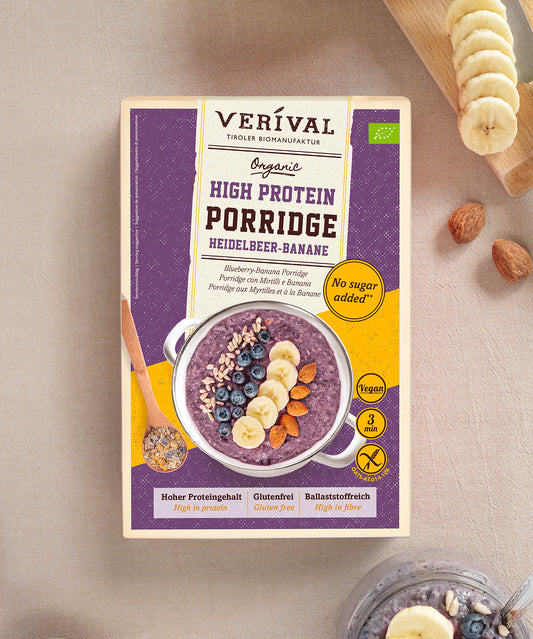
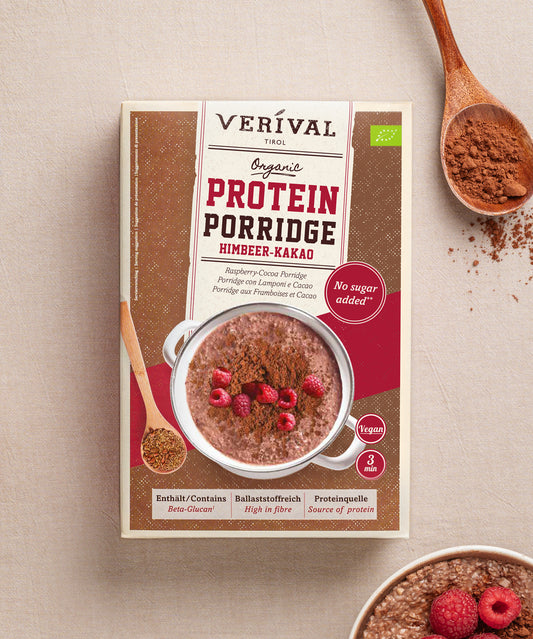
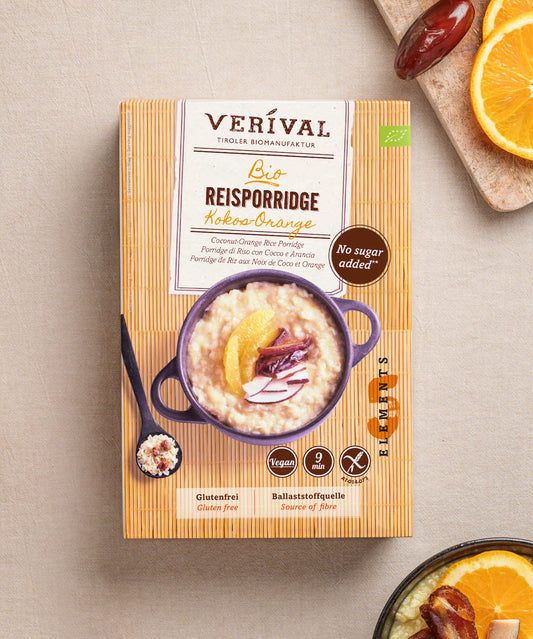
Verival Porridge – the classic breakfast choice!
Conclusion: sugar and children
Sugar plays a major role in the everyday lives of many families, but you can reduce consumption in a playful way and without conflict. If you are aware of hidden sources of sugar, offer healthy alternatives and actively involve your child in meal planning, you will develop new, relaxed eating habits. Children need time to get used to eating less sweet food – but every little step helps. With creative snacks, varied meals and positive rewards without sweets, you can strengthen your child's health in the long term. This will not only make everyday life lower in sugar, but also more conscious, colourful and much more enjoyable.