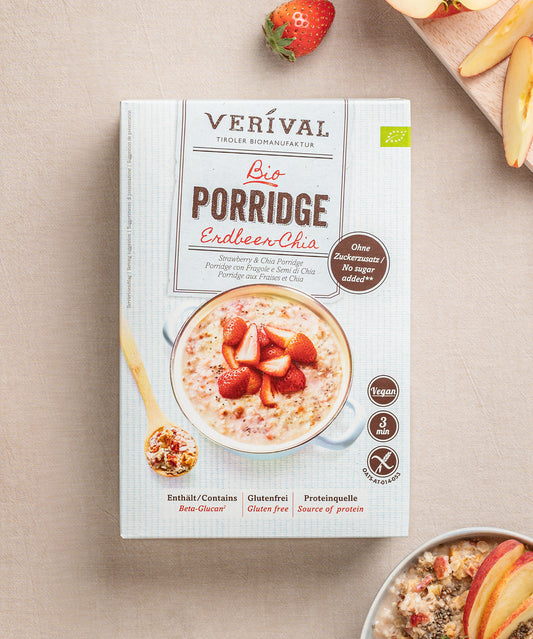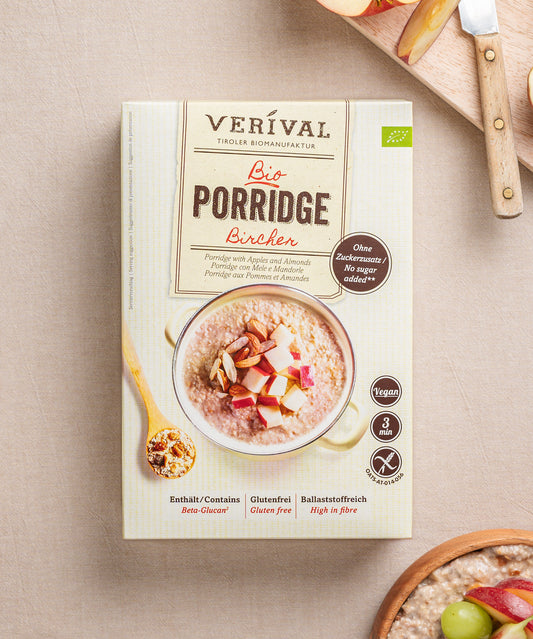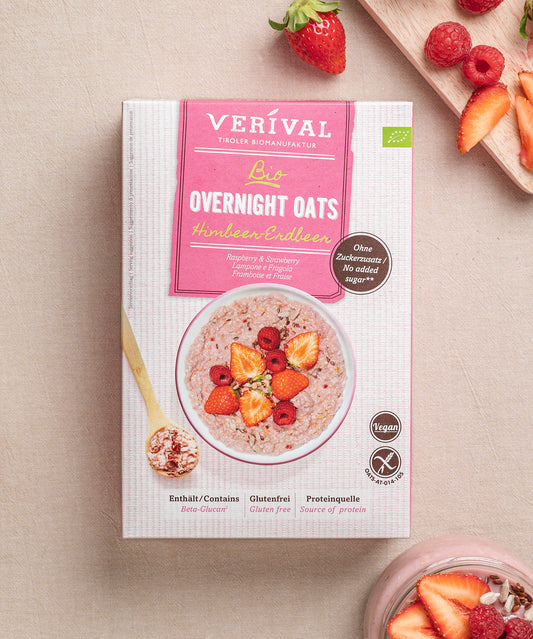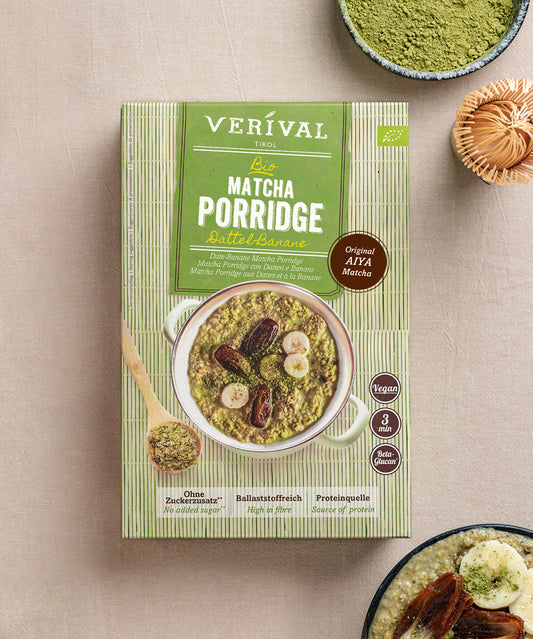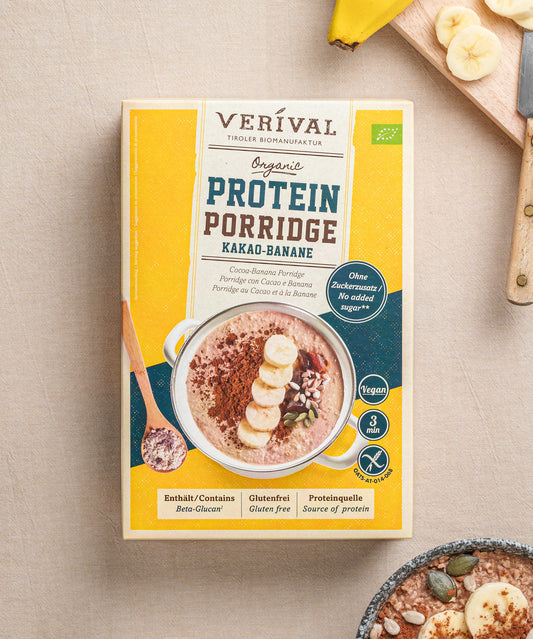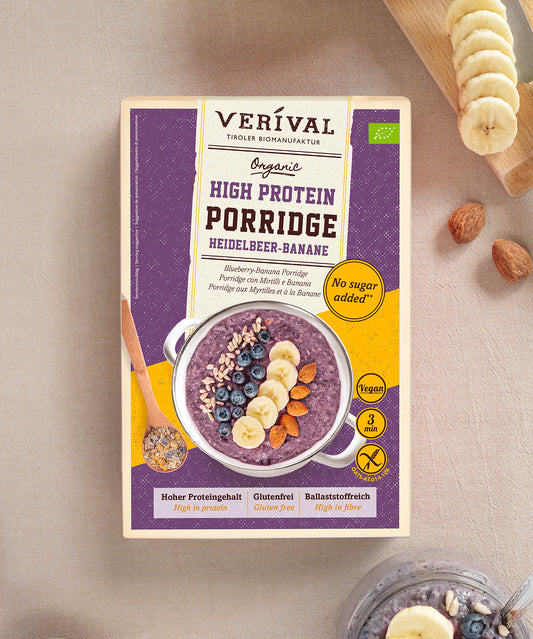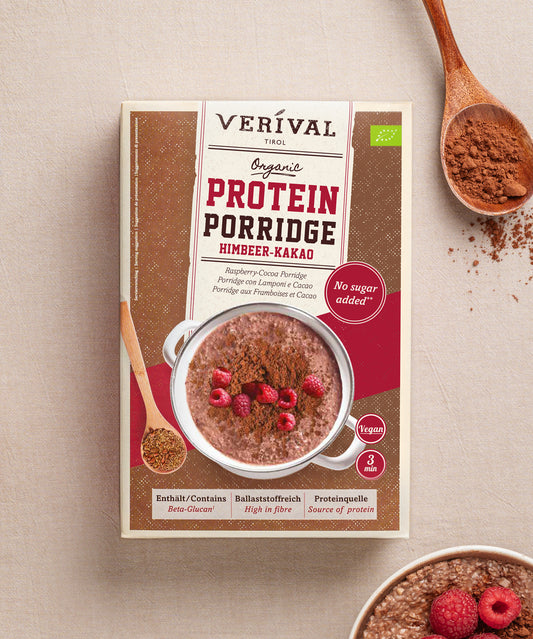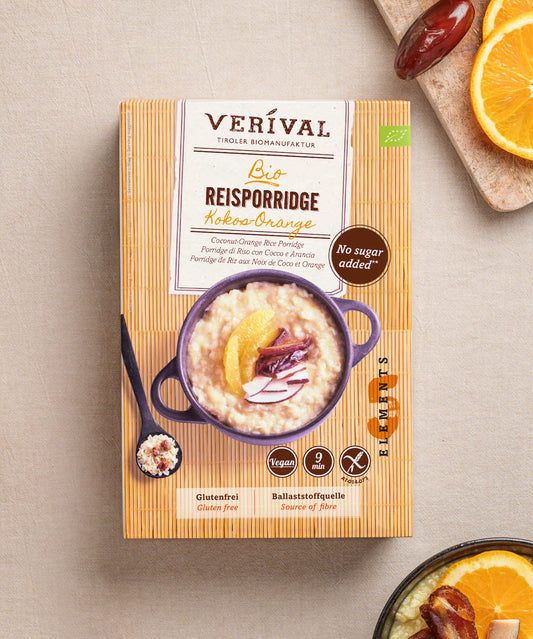

First it was protein, then probiotics, and now it’s fiber’s turn. A nutrition movement known as “Fibremaxxing” has taken off on social media, and it stands out from other trends in a positive way: It’s neither extreme nor expensive, and nutrition experts almost unanimously welcome it. Find out what Fibremaxxing is all about here.
Fibremaxxing with Verival – Discover it now
What does “Fibremaxxing” mean?
Fibremaxxing means consciously increasing your fiber intake. The term comes from English and is a combination of “fibre” or “fiber” (meaning dietary fiber) and “maxxing” (meaning to maximize). The term first appeared on TikTok and has since spread to nutrition blogs and health media worldwide.
What makes Fibremaxxing special is that you don’t need any supplements or strict dietary rules. Instead, the goal is to incorporate high-fiber foods into your diet more often. Instead of reaching for white bread or highly sugared cereals in the morning, you might have, for example, oatmeal, porridge, berries, flaxseeds, or nuts for breakfast.
It may not sound very exciting, but it makes a lot of sense from a nutritional standpoint. The German Nutrition Society recommends that adults consume at least 30 grams of fiber per day. On average, many people consume significantly less than that in their daily lives.
Why Fiber Is Becoming a Dietary Trend
There are several reasons why “fibremaxxing” is currently receiving so much attention. One of them is the growing focus on gut health. More and more people are interested in how diet, the microbiome, and well-being are connected. Fiber plays a central role here because it isn’t simply digested in the gut but can serve as food for beneficial gut bacteria.
Research also shows that a high-fiber diet is associated with various health benefits. According to the German Nutrition Society (DGE), fiber influences, among other things, satiety and gut function. A higher fiber intake is also linked to a lower risk of certain diseases such as cardiovascular disease, type 2 diabetes, and obesity.
At the same time, “Fibremaxxing” offers a pleasant alternative to many restrictive diets. It’s less about cutting things out and much more about adding nutritious foods. That’s exactly what makes this trend practical for everyday life.
Which foods are particularly high in fiber

Dietary fiber is found exclusively in plant-based foods. Animal products such as meat, fish, eggs, or milk contain none. The largest sources are:
- Legumes are the absolute champions of dietary fiber: Lentils, chickpeas, black beans, and peas contain 15 to 25 grams of dietary fiber per 100 grams when dry. Just half a can of white beans covers a large portion of your daily requirement.
- Seeds and nuts as concentrated sources of dietary fiber: Chia seeds provide about 34 g per 100 g, flaxseeds about 27 g, and almonds about 13 g. Just one tablespoon of chia seeds in your oatmeal makes a noticeable contribution.
- Whole grains: Oatmeal provides about 10 g of fiber per 100 g, whole-grain oatmeal a similar amount, as do rye, buckwheat, and barley. Refined white flour, on the other hand, contains hardly any fiber.
- Vegetables vary widely: Artichokes provide up to 10 g per 100 g, Brussels sprouts and kale contain 4 to 5 g, while tomatoes and cucumbers contain less than 1 g.
- Fruit, especially berries, provides good amounts of fiber: Black currants contain nearly 7 g per 100 g, apples and pears about 2 to 3 g, with the skin accounting for a significant portion of that.
How a High-Fiber Breakfast Supports Gut Health
A high-fiber breakfast is an easy way to support gut health first thing in the morning. Fiber increases the volume in the gut and promotes regular digestion. It can also help you feel full longer.
Its role in the gut microbiome is particularly fascinating. Certain types of fiber are fermented by gut bacteria. This process produces short-chain fatty acids, which are being studied in connection with healthy gut flora. That’s why high-fiber foods are also considered prebiotic when they promote the growth of beneficial gut bacteria.
A high-fiber breakfast doesn’t have to be complicated. Even a bowl of oatmeal with berries, flaxseeds, and nuts provides a good foundation. If you pair it with yogurt or a plant-based alternative, you’ll start your day with a balanced and satisfying meal.
Fiber in Oatmeal—Why It Keeps You Full Longer

Oatmeal contains a special form of soluble fiber: beta-glucans. These can form a gel-like structure in the digestive tract. This slows down the digestion of the meal, causing blood sugar levels to rise more gradually after eating.
Studies show that beta-glucans slow down gastric emptying and cause blood sugar levels to rise more slowly. In addition, the gel-like consistency in the gastrointestinal tract can help regulate feelings of fullness.
Fibremaxxing in Everyday Life: Simple Tips for More Fiber at Breakfast
You can often increase your fiber intake at breakfast with just a few small changes.
- Instead of cornflakes or white bread: Choose rolled oats, whole-grain bread, or buckwheat. The difference in fiber content is significant.
- Seeds as a topping: A tablespoon of chia seeds or ground flaxseeds on your porridge adds 3 to 5 g of extra fiber.
- Berries instead of a banana: Berries provide more fiber and less sugar for the same amount.
- Nut butter: A spoonful of almond butter or peanut butter provides a combination of fiber, healthy fats, and some protein.
Why Porridge Is Perfect for Fibremaxxing
Porridge pairs so well with Fibremaxxing because it combines several benefits. The oatmeal base provides fiber, complex carbohydrates, and plant-based protein. Cooking it creates a creamy consistency that’s satisfyingly filling and pairs well with other ingredients.
Depending on your taste, porridge can be prepared with a fruity, nutty, or chocolatey flavor. Berries, apples, bananas, nuts, seeds, or spices like cinnamon add variety to your bowl and further increase the fiber content.
A simple bowl of porridge made with 60 g of rolled oats, a handful of berries, and a tablespoon of chia seeds contains about 12 to 15 g of fiber. This covers nearly half of your daily requirement in a single meal.
Porridge is also convenient for a busy day. It’s quick to prepare, warms you up nicely, and can be adjusted to suit your appetite. If you’re short on time in the morning, you can opt for overnight oats and soak the rolled oats the night before.
What to Keep in Mind When “Fibremaxxing”
As beneficial as more fiber is, your body should get used to it gradually. If you suddenly start eating very large amounts overnight, you may experience bloating, abdominal pressure, or digestive discomfort. That’s why it’s better to increase the amount step by step.
It’s also important to drink enough fluids. Fiber binds water and swells in the intestines. Without enough fluid, this can become uncomfortable and put a strain on digestion. Nutrition experts therefore recommend spreading fiber intake throughout the day and drinking enough fluids.
Fibremaxxing should also not result in other nutrients being neglected. A good breakfast contains not only fiber but also protein, healthy fats, vitamins, and minerals.
Conclusion: Why Fibremaxxing and Porridge Are a Perfect Match
Fibremaxxing sounds like a social media trend, but it hits on an important point: Many people could eat more fiber in their daily lives. Breakfast, in particular, offers an easy way to do this.
Porridge is ideal for this. Oatmeal provides valuable fiber—especially beta-glucans—and can be combined in endless ways with fruit, nuts, and seeds. The result is a breakfast that keeps you full for a long time, supports digestion, and fits well into a healthy diet.
High-Fiber Verival Breakfast – Discover It Now
Frequently Asked Questions
What are the benefits of Fibermaxxing?
Fibermaxxing can help you incorporate more fiber into your daily routine. This supports digestion, can help you feel full longer, and provides important nourishment for your gut microbiome.
Is Fiber Maxxing good for me?
In general, Fiber Maxxing can be beneficial because many people consume less fiber than recommended. However, it’s important to increase your intake gradually and drink enough fluids to avoid bloating, abdominal pressure, or digestive discomfort.